
Gypsum

Steady Releasing pH Neutral Sulphate

$375.00/t

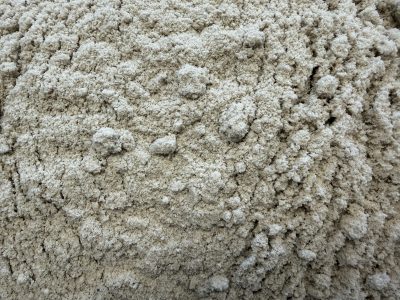
Gypsum is supplied as a 0–5 mm chip, providing both sulphate sulphur and calcium.

The sulphate becomes plant-available progressively over approximately 18 months as the chip dissolves in soil moisture. Fine particles provide more immediate availability when adequate moisture is present.
NitrogenN: 0
PhosphateP: 0
PotassiumK: 0
SulphurS: 18.6%
CalciumCa: 23%
MagnesiumMg: 0

Why Use Gypsum?

  • Provides a steady-release source of sulphate sulphur to meet annual maintenance requirements.
  • Offers more immediate sulphur availability than Sulphur 90S, making it suitable as a full or partial substitute when a faster response is required.
  • Supplies sulphur in a pH-neutral form, significantly reducing associated lime requirements.
  • Acts as a flocculant, encouraging soil particles to aggregate and improving aeration and drainage in tightly compacted clay soils.

Product FAQs

When to Use

Blend Sulphur 90S with capital and maintenance applications. Sulphur 90S only needs to be applied once per annum as a result of its slower releasing characteristics.

Precautions

It can be advantageous to substitute 90S with sulphate sulphur in the wetter/cooler months when the rate of mineralisation of elemental sulphur is low.

Sulphur’s Role in Plants

  • Sulphur is essential in forming plant protein as it is present in cysteine and methionine, two vital amino acids involved in protein synthesis.
  • Key component of coenzymes and vitamins, involved in energy transfer and lipid synthesis.
  • Some sulphur compounds are responsible for the taste and smell of plants, like onions.
  • Sulphur amino acids are at high levels in animal fibres, therefore sufficient sulphur is required for good wool production.
  • Promotes nodule formation in legumes.
  • Signs of sulphur deficiency – light green to yellowish coloured young leaves, reduced plant growth rates, plants that are short, small and slender.

Calcium's Role in Plants

  • Calcium is vital for both plant and animal growth
  • An essential part of the plant cell wall and membranes, aiding in plant structure and stability
  • Earthworm activity is increased by the presence of calcium in the soil profile, therefore natural soil aeration is also increased
  • Boosts soil microorganism activity, improving soil structure
  • Calcium deficiency affects fruit crop quality and growth, and limits biological activity
  • Calcium and magnesium work in synergy to promote stable soil structure
  • Involved in the signalling of the availability of other nutrients (e.g. potassium), through its secondary messenger characteristics
  • Assists in protecting the plant from biotic stresses

Technical Documents

Independent Product Analysis
Blended products are not independently tested. Refer to the individual product components of this blend to see independent testing.